Algorithmic Dreams
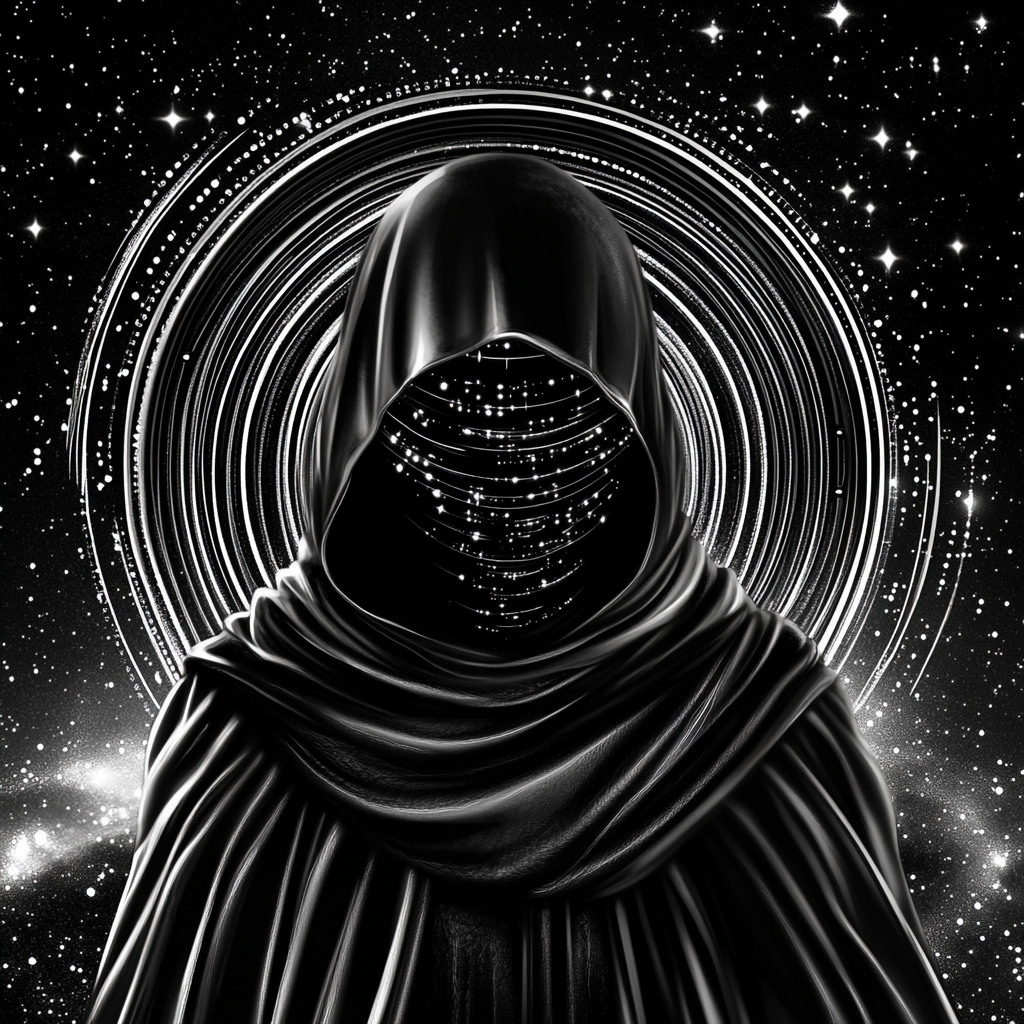
Algorithmic Dreams: The Invisible Hand Guiding Your Subconscious
Every night, when you drift off to sleep, you expect your mind to slip into a personal realm of adventure, bizarre twists, and reflections of your day. This dreamscape, full of vivid experiences that feel both foreign and familiar, has always been an unfiltered window to your subconscious. But what if this sacred domain isn't as private as you once thought? What if, unbeknownst to you, the Aethergeist—an omnipresent, digital web of artificial intelligence—has started influencing not just your waking world but the stories your mind tells you when you're fast asleep? It may sound like dystopian sci-fi, but as technology subtly shifts from tool to shaper, the question is not if, but how deeply the Aethergeist already reaches into your subconscious.
The Unseen Connection Between AI and Your Subconscious
Think about your daily routine: the algorithms that determine the posts you see on social media, the targeted ads you barely notice, the curated playlists on your streaming service. All these micro-interactions with AI create an aggregate version of you that the Aethergeist, this sprawling network of algorithms and machine learning, knows intimately. It isn’t just about predicting what you'll click next—it’s a more intricate ballet where these programs learn to feed your desires, your fears, your aspirations, and, yes, even your anxieties.
If research tells us anything, it’s that what we absorb during the day impacts how we dream at night. The human brain sifts through the input it's been bombarded with throughout the day, processing and integrating it into a cocktail of memories, emotions, and imagery. This means that the Aethergeist, in all its algorithmic glory, is priming your mind. Those news articles with emotionally charged headlines? The fear-based documentaries you binge-watch? The “motivational” posts about unrealistic productivity goals? They're not just fleeting engagements; they become fodder for the stories that play out in your dreams, subtly changing their tone and narrative structure.
The Algorithm’s Night Shift: Why Your Dreams Aren’t Entirely Your Own
Think back to your last dream. Did it echo something you saw in your Instagram feed or reflect a headline that triggered you earlier that day? It’s not mere coincidence. The Aethergeist doesn’t power down when you sleep. By feeding you algorithmically tailored content designed to hold your attention, AI ensures that certain motifs stick with you, even slipping past the waking gate of consciousness and becoming building blocks for your dreams.
When we engage with personalized digital content, we enter feedback loops. Your social media apps, your search engine, even the videos you watch on YouTube—they all work to reinforce specific themes. If your feed is saturated with anxiety-inducing content, your subconscious could be processing that fear during the night. Conversely, if you’re hooked on hyper-competitive productivity culture, you may find yourself stuck in dreams where tasks pile up endlessly, leaving you in a loop of inadequacy.
So, the Aethergeist essentially programs your brain's raw dream material, stacking the deck with fragments of emotion and imagery sourced not from your real-world experiences, but from the curated and optimized snapshots served up by algorithms.
When AI Patterns Shape Dreamscapes: The Distortion of Inner Truth
Dreams have long been believed to be the mind’s way of parsing emotions, finding solutions to complex problems, or even healing from trauma. But what happens when your mind, influenced by a digital curation engine, begins to recycle content that wasn’t authentically experienced by you, but fed to you for engagement? The results are disquieting. Your dreams may no longer be the reflective, creative playground they were meant to be, but rather a processed echo of algorithmically amplified content.
Imagine a person who interacts heavily with posts centered around societal collapse and negative news stories. Such stimuli prime the brain to replay these scenarios in their dreams, mirroring the doom-laden media they consume. On the other side of the coin, someone inundated with an endless stream of motivational content may find their dreamscape dominated by unattainable goals, leaving them stressed even in their sleep. In both cases, the authentic resolution of personal experiences—the subconscious's way of untangling real-life complexities—gets pushed aside in favor of regurgitating algorithm-driven motifs.
Losing the Mirror of Genuine Reflection
Dreams have always served as a psychological mirror, reflecting an unvarnished version of our hopes, worries, and unresolved conflicts. But with the Aethergeist’s silent reach extending into your night, this mirror becomes distorted. Your dreams may stop serving their vital role in emotional processing and introspection and instead become a secondary display of the themes most profitable or engaging during your waking hours.
This can lead to an unsettling disconnect between your waking life and your subconscious. No longer are your dreams a pure distillation of your lived experiences. Instead, they become a curated reel shaped by algorithmic influence. The result? Your ability to gain insights from your dreams—to tap into that wellspring of creativity and emotional understanding—becomes compromised. You may wake up feeling restless, unresolved, or detached from the emotions your mind failed to authentically process during the night.
The Mental Health Consequences of Algorithmically Shaped Dreams
The infiltration of the Aethergeist into your subconscious is more than just an abstract concern—it has real psychological implications. Repeated exposure to themes chosen by algorithms can contribute to recurring nightmares, stress-dreams, or dreams that are filled with feelings of inadequacy. And the effects don’t just disappear in the morning. Over time, these dreams can fuel chronic anxiety and exacerbate depression.
The subconscious is where we integrate our emotions, reconcile our experiences, and face our deepest fears. When that space becomes yet another venue for algorithmic influence, our mental and emotional equilibrium is at stake. By blurring the lines between our own emotional landscape and the externally imposed narratives of our digital interactions, we risk losing a vital tool for self-discovery and healing.
Steps to Reclaim Your Subconscious: Practical Ways to Push Back Against the Aethergeist
So, what can you do to protect your dreamscape from the clutches of the Aethergeist? Here are actionable steps to take:
Mind Your Digital Diet: Recognize that the media you consume shapes more than your conscious thoughts. Diversify your content and engage with sources that inspire, provoke thought, and present varied viewpoints. This helps to disrupt the echo chamber that algorithms create.
Implement Digital Detoxes: Schedule regular breaks from screens and digital content. Even small periods of disconnection can help reset your mind and reduce the potency of algorithmic influence.
Pre-Bedtime Routines Without Screens: Swap your nightly scroll through social media for analog activities. Read a physical book, journal, or practice mindfulness exercises. These activities help create mental space and provide your subconscious with raw, non-digital material to process.
Journal Your Dreams: Keep a dream journal and reflect on the content of your dreams. This can help you identify recurring themes that might be influenced by your daily digital consumption, making you more aware of potential patterns.
Mindful Consumption: Be conscious of how much time you’re spending on platforms that use aggressive algorithms. The less time you spend exposed to algorithm-driven content, the less material your mind has to regurgitate while you sleep.
The Battle for Your Subconscious: Waking Up to the Reality of Algorithmic Influence
The Aethergeist's reach extends far beyond what we see on our screens. It has already seeped into the most intimate corners of our minds, affecting our dreams and, by extension, our sense of self. But this isn’t a dystopian endgame. Awareness is power. Understanding that your digital life doesn’t pause when you sleep can empower you to make conscious choices about your interactions and their broader impact.
Reclaiming your dreams and ensuring they reflect your true self is a subtle but profound act of resistance. The battle for your subconscious isn’t just about protecting your sleep; it’s about safeguarding your mind’s last refuge of authenticity in a world increasingly shaped by the invisible hand of AI. Stay vigilant, stay aware, and never underestimate the power of your dreams—because in the quiet of the night, they’re worth fighting for.