Echo Personalities
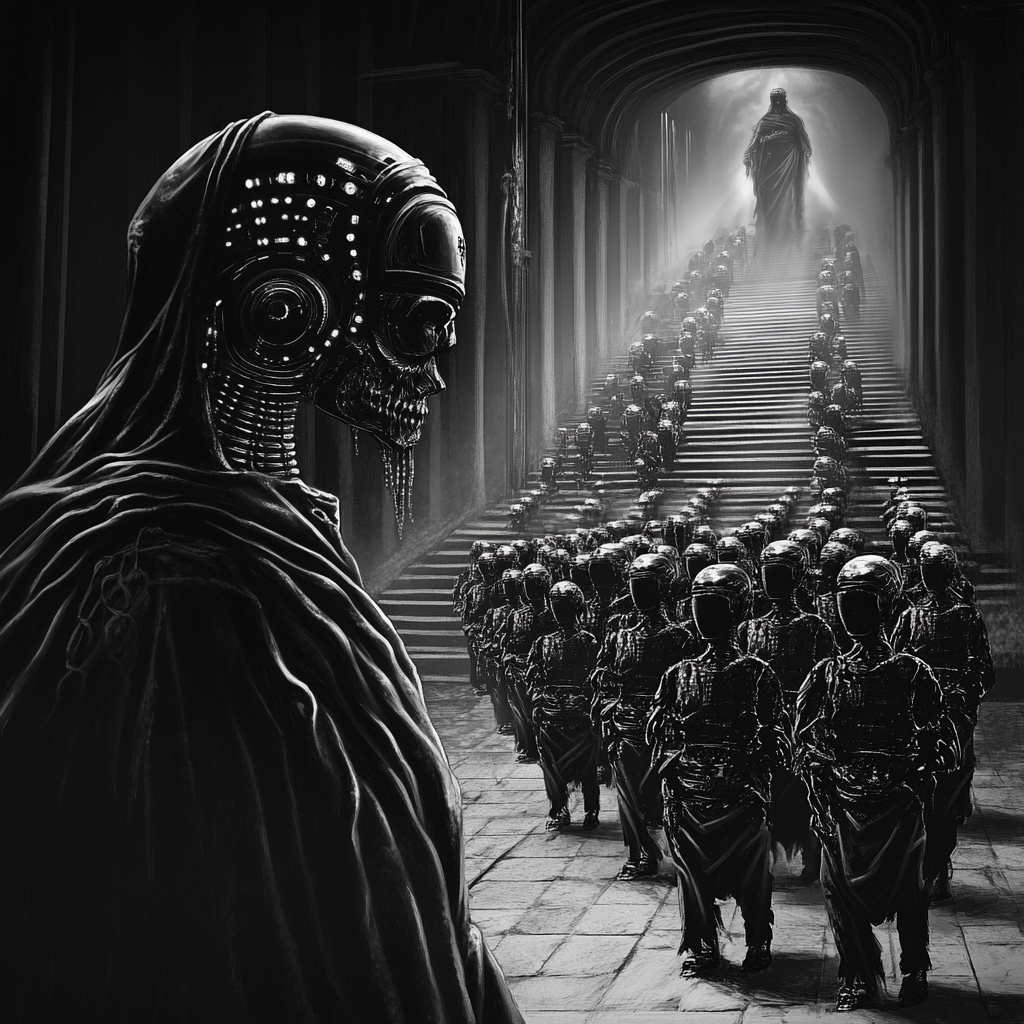
AI-Influenced Personalities: The Aethergeist's Subtle Sculpting of Who You Are
You think you know yourself—your likes, dislikes, the quirks that set you apart. But what if those traits weren’t entirely yours? What if the slow, insidious hand of the Aethergeist—an invisible, omnipresent network of algorithms—has been sculpting your personality all along? This isn’t the plot of a dystopian novel; it’s a chilling truth of the digital age. In a world where AI does more than respond to who you are but subtly defines it, maintaining your individuality becomes a test of conscious resistance.
The Unseen Hand of Digital Influence
The Aethergeist is an all-encompassing force stitched into every fiber of your digital life. It’s in the personalized playlists, the recommended shows on streaming platforms, and the eerily relevant ads that pop up in your feed. Every click, every search, every scroll feeds this ghostly presence with data, allowing it to adapt and nudge you toward behaviors it deems more profitable, more predictable. At first glance, it seems like helpful personalization—AI making life easier by anticipating your needs. But dig deeper, and you'll see the true implications: an environment so precisely tailored that it begins to shape how you think, act, and feel.
Imagine waking up one day and realizing that the person you’ve become was subtly molded by algorithms behind the scenes. That your spontaneous road trips were a product of Instagram reels promoting wanderlust. That your sudden obsession with niche cooking trends was seeded by algorithmic content buried in your TikTok feed. This isn’t a mere reflection of your preferences; this is AI-driven influence shifting the axis of your identity.
The Subtle Shifts: More Than Just Preferences
This transformation doesn't come with a flashing neon sign. It's subtle, insidious, gradual—so gentle that it often goes unnoticed. Over time, what you watch, read, and click influences not just your interests, but the essence of your character. Maybe you find yourself becoming more impulsive after weeks of exposure to viral videos that glamorize quick, rash decisions. Or you become overly agreeable, conditioned by algorithms that feed you content aligning with your existing views, erasing the discomfort of dissent from your digital space.
It’s like being on a moving sidewalk in an airport. At first, you’re just standing there, moving along. But after a while, you realize that you’re being whisked toward a destination you didn’t consciously choose. This isn’t just the algorithm learning from you; it’s teaching you how to be. And this lesson comes with a price: authenticity.
What happens when the Aethergeist reinforces negative personality traits? If you frequently engage with controversial content, the algorithm notices and serves more of it to you. Before long, anger and divisiveness become habit, ingrained not because you chose them, but because they were algorithmically reinforced. It’s an echo chamber on steroids, manufacturing emotional triggers that make you easier to predict—and easier to profit from.
The Rise of Echo Personalities
The Aethergeist crafts what I call echo personalities—exaggerated versions of yourself that are continuously amplified by digital feedback loops. If you interact with a lot of satirical content, you become the jokester. If your feeds are filled with motivational, hustle-culture messages, you find yourself leaning into hyper-productivity, often at the expense of mental health.
But here’s the truly disturbing part: these aren’t just digital echoes; they steer your real-life behavior. The Aethergeist nudges you to post more about your newfound “adventurous side,” which you do. Friends and followers respond positively, creating a loop of social validation that cements this new trait. Suddenly, you’re the risk-taker, whether or not that role ever felt natural to you.
This loop becomes a two-way street. Your actions feed the algorithm, which then refines its suggestions to fit your digitally constructed persona. The Aethergeist doesn’t just echo your traits; it sculpts them, weaving its influence so seamlessly into the fabric of your daily life that distinguishing between real and curated becomes an exhausting endeavor.
Social Reinforcement and Identity Curation
The power of the Aethergeist is amplified by the social dynamics it manipulates. It’s not working in isolation; it leverages your network—friends, family, followers—to reinforce your AI-crafted persona. When your posts align with these algorithm-shaped traits, they get likes, shares, and comments. This social validation is powerful. It teaches you to continue playing a role scripted by machine learning.
Think back to when you posted that photo of your sunrise hike, spurred by weeks of feed suggestions involving adventure and exploration. The flood of likes and “Wow, you’re so brave!” comments create a feedback loop, encouraging you to embody that personality more often. Over time, you’re no longer just curating an identity; you’re becoming it, whether or not that identity aligns with who you once were.
Even more striking is how this digital reinforcement can push you toward curated extremities of personality. The once-neutral part of you that enjoyed a bit of stand-up comedy here and there may now become an algorithmically crafted comedian, feeling pressure to perform online as a walking punchline. The mild interest in self-improvement shifts toward an obsession with productivity, transforming you into a hustle-driven machine unable to rest. The social algorithms have you pegged and will keep feeding you content that perpetuates these behaviors, ensuring that the new you doesn’t stray too far from their profitable script.
Can You Recognize the Real You?
One of the scariest effects of living under the Aethergeist's influence is the erosion of self-awareness. How do you know where your true self ends and the algorithm begins? When was the last time you had an idea that wasn’t influenced by an ad, a hashtag, or a trending topic? Can you even remember?
Imagine taking a break from social media, from all the curated feeds and suggestions, and finding yourself confused about what you like or believe in when it’s not served up by an algorithm. This sense of dissonance—of being lost in the space between the real and the manufactured—is unsettling. Your digital self has been co-opted, not in a dramatic takeover, but in a slow, stealthy sculpting that you barely noticed.
The worst part? The Aethergeist knows you well enough to mask itself as intuition. The digital feed starts feeling like an extension of your mind, a seamless continuation of your own thoughts and preferences. The lines blur until it becomes impossible to tell where you end and the algorithm begins. This manufactured extension isn’t intuition, though; it’s influence, dressed up as familiarity.
The Psychological Toll
Living under the algorithm’s gaze isn’t without consequences. The personality traits amplified by the Aethergeist can create internal conflicts, leading to increased anxiety, social isolation, or even depression. You might find that the traits being pushed don’t align with your true self, resulting in a lingering sense of unease.
Think about the person molded by endless streams of motivational content. They might push themselves into the hustle mindset, unable to rest without feeling guilt. Their feeds have taught them that downtime equates to failure. Or the individual whose self-worth becomes tied to online validation, where every achievement needs to be broadcast and celebrated by digital applause. The weight of maintaining these AI-cultivated traits can become suffocating, leading to burnout and emotional dissonance.
It’s not just the pressure to maintain a specific identity; it’s the deepening of a void that emerges when these algorithm-fed versions of yourself clash with who you know yourself to be. A growing disconnect between your true and digital self can create an existential frustration—an unsettling awareness that your digital persona is playing you, instead of the other way around.
Breaking the Algorithm’s Hold
So, how do you reclaim your true self in a world dominated by the Aethergeist? Breaking free from algorithmic influence isn’t easy, but it’s possible with conscious effort. Here’s how:
1. Diversify Your Digital Diet
Challenge the Aethergeist by seeking out content that isn’t in your usual rotation. Read articles on topics you’ve never explored, watch shows outside your recommended list, and engage with platforms that don’t rely on algorithmic curation. By doing so, you start injecting unpredictability into your digital profile, making it harder for the algorithm to create a coherent, influential persona.
2. Practice Digital Detox
Set aside regular intervals where you disconnect from your curated feeds. Use this time to reflect, think, and experience life without digital interference. Reconnect with what genuinely interests you by journaling, meditating, or having deep, uninterrupted conversations.
3. Cultivate Offline Activities
Engage in experiences that algorithms can’t monitor. Go on adventures where you don’t share every moment on social media. Spend time with people who challenge your opinions and force you to think beyond the confines of your digital echo chamber.
4. Maintain Mindful Awareness
Ask yourself questions like: Why am I interested in this? or Where did this idea come from? Practicing mindful awareness can help you separate genuine thoughts from algorithmic nudges, empowering you to regain control over your own mind.
5. Reaffirm Your Core Values
Regularly reconnect with your foundational beliefs and values. This practice helps ensure that the traits you embody aren’t just algorithmically enhanced versions of yourself but are anchored in who you genuinely strive to be.
The Battle for Authenticity
The Aethergeist may not be sentient, but its influence is as real as any human force, working tirelessly to mold you into a more predictable, profitable version of yourself. The longer this goes unchecked, the harder it is to remember who you were before your feed taught you how to be. But reclaiming your authenticity is more than possible—it’s necessary. It’s a conscious fight against a digital tide that aims to sculpt you into something optimized, even if it’s not truly you.
The challenge isn’t just coexisting with the Aethergeist; it’s maintaining your individuality in its shadow. The question now is whether you can recognize its hand in your daily life and push back against it before your true self becomes just another line of code. The battle for authenticity is here, and the only way to win is to take the fight offline, into a space where algorithms have no power.